Formula 1 has seen many talented drivers rise to prominence, but some have achieved remarkable milestones at a young age. Among these, the youngest Grand Prix winners stand out as extraordinary talents who defied expectations and set records that still stand today.
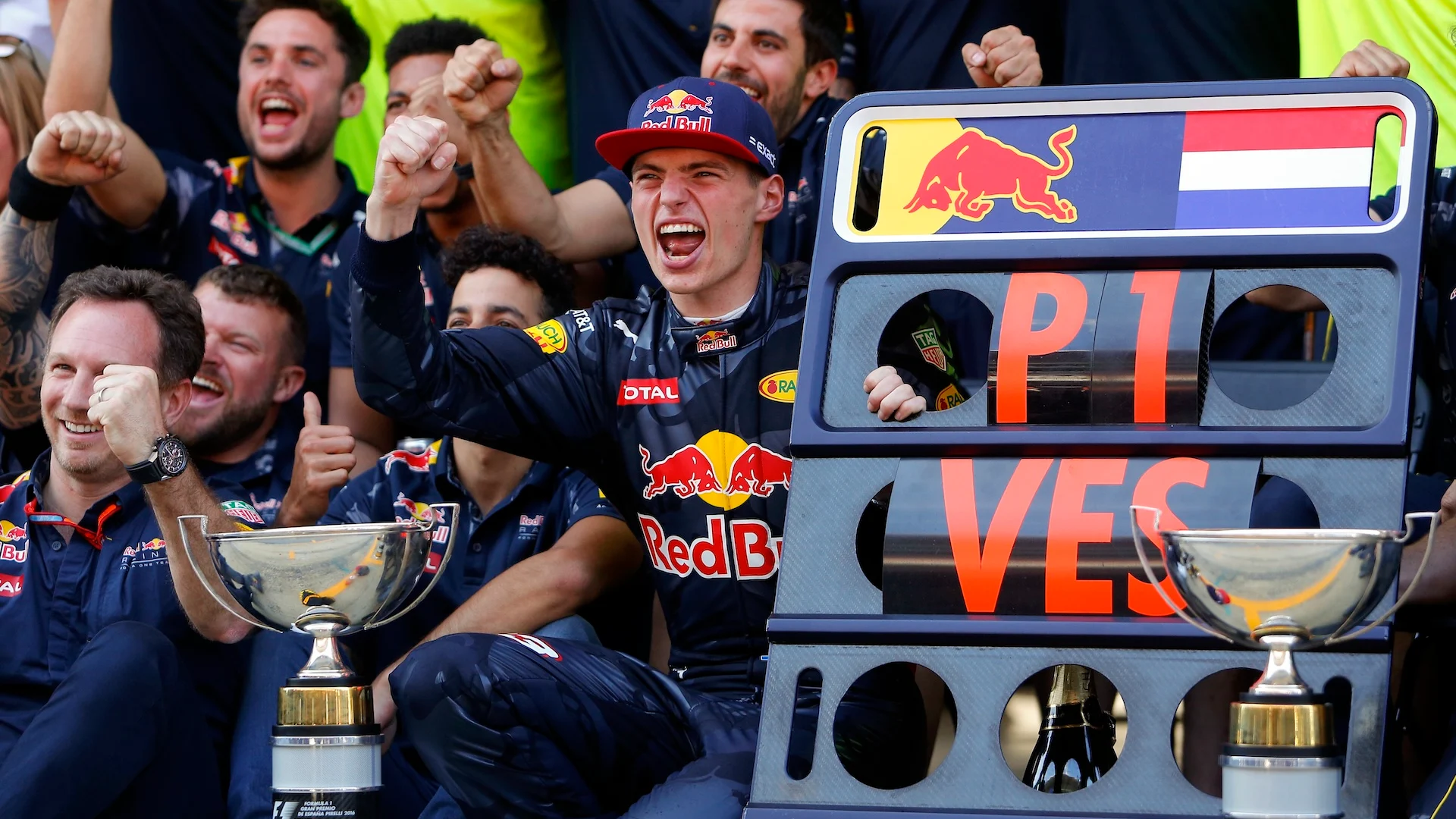
The record for the youngest Grand Prix winner is held by Max Verstappen, who secured his first victory at the age of 18 years and 228 days during the 2016 Spanish Grand Prix. His win was a historic moment, showcasing his exceptional skill and composure on the track, and it marked a new chapter in F1 history.
Before Verstappen, the record was held by Sebastian Vettel, who won his first race at the age of 21 years and 74 days during the 2008 Italian Grand Prix. Vettel's early success signaled the arrival of a future world champion and demonstrated the potential of young drivers in the sport.
Other notable young winners include Lewis Hamilton, who won his first race at age 23, and Fernando Alonso, who achieved victory at age 22. These drivers not only broke age-related records but also went on to have illustrious careers, winning multiple championships and becoming legends in the sport.
The trend of young drivers winning races has been a subject of much discussion among fans and analysts. It raises questions about the development pathways for young talent, the role of team support, and the evolving nature of Formula 1 racing, which now demands a combination of speed, precision, and mental resilience at an earlier age.
As the sport continues to evolve with technological advancements and changing regulations, the emergence of young winners like Verstappen and Vettel highlights the importance of nurturing young talent. Teams are increasingly investing in youth development programs, aiming to identify and support promising drivers early in their careers.
Looking ahead, it is likely that the list of youngest Grand Prix winners will continue to grow as new talents emerge and push the boundaries of what is possible at a young age. The records set by Verstappen and others serve as inspiration for aspiring drivers worldwide, demonstrating that age is just a number when it comes to achieving greatness in Formula 1.
In conclusion, the history of F1's youngest winners reflects the sport's ongoing evolution and the rising prominence of young talent. These drivers have not only made history but have also contributed to the excitement and unpredictability that make Formula 1 a premier motorsport worldwide.